
Want to learn more about the new ISO Standards? Join our Webinar 13th Nov 1:30pm AEST

IntegriSURE
IntegriSURE
  • Home
  • Inside IntegriSURE
    • What is IntegriSURE?
    • ISO Management System
    • Implementation Guidance
    • ISO Facilitation Tools
    • ISO Learning
    • 7 Stages of Certification
    • ISO Certification
    • ISO Compliance. Your Way.
  • Our Packages
    • About Us
    • ISO Starter Pack
    • IntegriSURE Basic
    • IntegriSURE Essentials
    • IntegriSURE Guided
    • IntegriSURE Professional
    • IntegriSURE Partnered
    • Demystifying ISO Courses
  • Pricing
  • Learn About ISO
    • What is ISO Certification
    • What is ISO Compliance?
    • Who Benefits from ISO?
    • ISO Terms Explained
    • What is an IMS?
    • Demystifying ISO 9001
    • Demystifying ISO 14001
    • Demystifying ISO 45001
    • Environmental Management
    • Webinars
    • FAQs
  • Our Portal
  • Articles
  • Contact Us
  • More
    • Home
    • Inside IntegriSURE
      • What is IntegriSURE?
      • ISO Management System
      • Implementation Guidance
      • ISO Facilitation Tools
      • ISO Learning
      • 7 Stages of Certification
      • ISO Certification
      • ISO Compliance. Your Way.
    • Our Packages
      • About Us
      • ISO Starter Pack
      • IntegriSURE Basic
      • IntegriSURE Essentials
      • IntegriSURE Guided
      • IntegriSURE Professional
      • IntegriSURE Partnered
      • Demystifying ISO Courses
    • Pricing
    • Learn About ISO
      • What is ISO Certification
      • What is ISO Compliance?
      • Who Benefits from ISO?
      • ISO Terms Explained
      • What is an IMS?
      • Demystifying ISO 9001
      • Demystifying ISO 14001
      • Demystifying ISO 45001
      • Environmental Management
      • Webinars
      • FAQs
    • Our Portal
    • Articles
    • Contact Us
  • Home
  • Inside IntegriSURE
    • What is IntegriSURE?
    • ISO Management System
    • Implementation Guidance
    • ISO Facilitation Tools
    • ISO Learning
    • 7 Stages of Certification
    • ISO Certification
    • ISO Compliance. Your Way.
  • Our Packages
    • About Us
    • ISO Starter Pack
    • IntegriSURE Basic
    • IntegriSURE Essentials
    • IntegriSURE Guided
    • IntegriSURE Professional
    • IntegriSURE Partnered
    • Demystifying ISO Courses
  • Pricing
  • Learn About ISO
    • What is ISO Certification
    • What is ISO Compliance?
    • Who Benefits from ISO?
    • ISO Terms Explained
    • What is an IMS?
    • Demystifying ISO 9001
    • Demystifying ISO 14001
    • Demystifying ISO 45001
    • Environmental Management
    • Webinars
    • FAQs
  • Our Portal
  • Articles
  • Contact Us
ISO Certification Simplified with IntegriSURE

ISO Certification Made Clear with IntegriSURE.

IntegriSURE packages simplify the ISO certification, helping you understand what's involved throughout the journey. 


We provide you with ISO-ready documentation, guidance & access to expert support, helping organisations achieve ISO compliance efficiently and effectively on their certification journey.

Discover ISO Certification, Simple and Affordable

IntegriSURE helps organisations on their ISO Certification Journey, unlocking the benefits that come from ISO compliance.

Who Benefits from ISO Certification?

A 2min Introduction to What is ISO Certification

ISO Certification Explained Clearly

What ISO Certification Actually Is

ISO certification is formal, third-party recognition that an organisation’s management system meets the requirements of an international standard.


Common standards include:

  • ISO 9001 – Quality Management.
  • ISO 14001 – Environmental Management.
  • ISO 45001 – Occupational Health and Safety.


Certification does not confirm that a business is perfect or low-risk.

It confirms that the organisation has defined, implemented, and maintains a management system that can be independently audited against the standard.


This is why ISO certification is often required for tenders, supplier approvals, regulatory confidence, and client assurance.


At IntegriSURE, we make ISO certification achievable by providing a structured pathway. Our tiered packages offer ready-to-use documentation, clause-by-clause implementation guidance, and optional expert support so you can build your system with clarity and confidence.


Learn How IntegriSURE Fits Into The 7 Stages Of Certification.


ISO Certification Is Not Just About Documents

Many organisations assume ISO certification is primarily about producing policies and procedures.


In practice, certification bodies assess whether:

  • Your documents reflect how your organisation actually operates.
  • Your system is understood and used, not just written.
  • You can demonstrate evidence of use, review, and improvement over time.


Documents are necessary, but they are only one part of a functioning management system.


ISO certification succeeds when systems are owned, embedded, and encourage repeatable processes, not when templates are simply filled in.

See What A Real ISO System Looks Like In Practice (Free Starter Pack)

What’s Actually Involved In Getting ISO Certified?

What’s Actually Involved In Getting ISO Certified


Most organisations underestimate the scope of ISO certification until they are already part-way through.


In practice, certification involves:

  • Defining scope and leadership commitment.
  • Establishing policies, objectives, risks, and obligations.
  • Designing procedures, tools, and records that reflect real work.
  • Embedding the system through use, training, and communication.
  • Reviewing performance through internal audits and management reviews.
  • Engaging a certification body for external audits.
  • Maintaining and improving the system year after year.


To make this clearer, IntegriSURE maps ISO certification into seven connected stages, so organisations can see what comes next before committing.

Explore The 7 Stages Of ISO Certification

Ready to take the next step towards getting ISO Certified?

Join IntegriSURE and discover how we help organisations Start your ISO Journey Properly.

View Our Packages

What is Triple ISO Certification?

Triple ISO certification refers to achieving:

• ISO 9001 Quality Management Systems.

• ISO 14001 Environmental Management Systems.

• ISO 45001 Occupational Health and Safety Management Systems.


When implemented correctly, these standards can be combined into a single Integrated Management System (IMS), reducing duplication and ongoing effort.


Triple certification does not mean triple the work, especially when the system is structured properly from the start.
Learn More About Integrated Management Systems (IMS)
What is ISO Certification? Learn How to Get Certified, ISO 9001 Explained – Compliance for Business

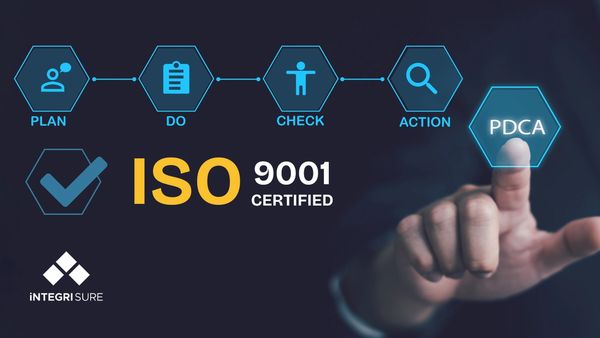
ISO 9001: Quality Management

Focused on delivering consistent, high- quality products and services while

improving customer satisfaction. ISO 9001 helps businesses streamline operations, reduce inefficiencies, and establish a framework for continuous

improvement. 


It enhances credibility, strengthens customer trust, and ensures compliance with industry standards, making it easier to secure contracts and expand into new markets. 


This certification is valuable for industries like manufacturing, technology, healthcare, and construction, where quality consistency is essential for success.


Learn more from our Demystifying ISO certification course in ISO9001 - coming soon.
What is ISO Certification? Learn How to Get Certified, ISO 14001 Explained – Compliance for Business

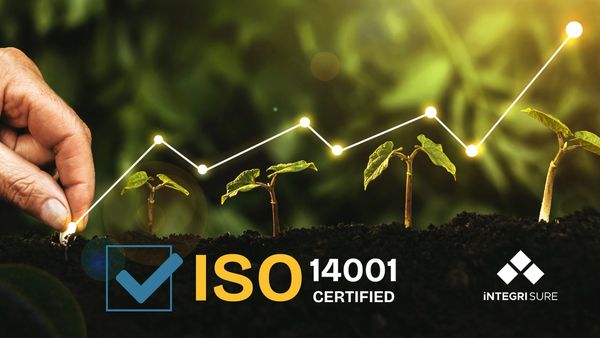
ISO 14001: Environmental Management

Demonstrates your commitment to sustainable practices and managing environmental impact. ISO 14001 provides businesses with a structured approach to reducing waste, conserving resources, and ensuring

compliance with environmental regulations. 


It enhances brand reputation, improves operational efficiency, and aligns businesses with the growing demand for sustainable practices. 


This certification is ideal for industries such as manufacturing, construction, agriculture, and energy, where environmental responsibility plays a critical role.


Learn more from our Demystifying ISO certification course in ISO14001 - coming soon.

What is ISO Certification? Learn How to Get Certified, ISO 45001 Explained – Compliance for Business

ISO 45001: Occupational Health & Safety

Ensures safe and healthy workplaces by addressing risks and improving employee well-being. 

ISO 45001 helps businesses identify workplace hazards, implement proactive safety measures, and comply with health and safety regulations. 


It fosters a culture of safety, reduces workplace incidents, and enhances employee morale and productivity. 


This certification is particularly relevant for industries like construction, manufacturing, healthcare, and logistics, where worker safety is a top priority.


Learn more from our Demystifying ISO certification course in ISO45001 - coming soon.

What is ISO Certification? Learn How to Get Certified, ISO Compliance for Businesses and SMEs

Benefits of Triple ISO Certification

Achieving operational excellence requires a unified approach to quality, environmental, and safety standards. Triple Certification simplifies obtaining ISO 9001, 14001, and 45001, helping businesses integrate compliance, improve efficiency, and drive sustainable growth. 


It enhances credibility, strengthens stakeholder trust, and ensures regulatory compliance. 


By improving risk management and operational efficiency, it creates a competitive advantage and positions businesses for long-term success.


Access our Demystifying ISO certification course in ISO9001, ISO 14001 and ISO45001 - coming soon. Register your interest below to be the first to find out more.

Learn about Demystifying ISO Courses

Start ISO Certification Properly with IntegriSURE

If you are early in the process, the most productive first step is not implementation, it is orientation.


Understanding what ISO requires, what a real system looks like, and how the journey unfolds allows you to decide how far you want to go.


Start By Understanding First.


  • See what ISO actually involves.
  • View sample system components.
  • Understand the full journey before committing

Access The Free ISO Starter PackStart ISO Certification Properly For $150Build Your System With Structure with IntegriSURE EssentialsNeed Journey-Level Reassurance? Explore IntegriSURE Guided

The Six Key Benefits to ISO Certification

Win more Contracts

Build Trust & Credibility
Win more Contracts

Many industries require ISO certification for tenders and supplier approvals. 

Improve Efficiency

Build Trust & Credibility
Win more Contracts

Standardised processes enhance productivity and reduce waste. 

Build Trust & Credibility

Build Trust & Credibility

ISO Certification signals reliability to clients, partners, and regulators.

Enhance Risk Management

Enhance Risk Management
Build Trust & Credibility

ISO frameworks help identify and control risks proactively. 

Ensure Compliance

Enhance Risk Management
Attract & Retain Talent

 Meet industry-specific requirements with confidence.

Attract & Retain Talent

Enhance Risk Management
Attract & Retain Talent

Attract and retain staff due to clarity over work scope, roles, and responsbilities.

Our Packages include up to $17,000 of value starting at $150

Explore Our Packages

More about what Our IntegriSURE Packages include:

What is ISO Certification? Sign up below, or Learn more here

Access the Article

Get the Inside Track on ISO Certification

Frequently Asked Questions

Please reach us at contact@integrisure.com.au if you cannot find an answer to your question.

ISO certification is independent confirmation that an organisation's management system meets the requirements of a particular international standard, such as ISO 9001 (Quality), ISO 14001 (Environmental) or ISO 45001 (Occupational Health and Safety).


Certification demonstrates that your management system has been independently assessed against the relevant requirements. It provides confidence to customers and stakeholders, but doesn't automatically guarantee legal compliance, operational excellence or particular business outcomes.


ISO certification can help organisations improve operational consistency, manage risks, strengthen customer confidence and demonstrate their commitment to continual improvement.

For many Australian businesses, certification is also important for tenders, supplier approvals and customer contracts.


Importantly, the value goes beyond the certificate. A well-implemented management system helps your people understand responsibilities, follow effective processes and identify opportunities to improve how your organisation operates.


ISO certification involves developing, implementing and operating a management system that meets the relevant standard's requirements.


The journey typically includes understanding your organisational context, identifying existing processes and gaps, developing appropriate documents and controls, implementing the system, conducting internal audits and management reviews, and completing Stage 1 and Stage 2 audits with an independent certification body.


IntegriSURE provides a structured seven-stage implementation journey, with documents, tools, guided learning and support options to help you prepare.


You do the implementation, with our guidance, so your organisation understands and owns the finished system.


IntegriSURE supports organisations developing management systems for:

  • ISO 9001: Quality Management Systems
  • ISO 14001: Environmental Management Systems
  • ISO 45001: Occupational Health and  Safety Management Systems

These standards can be implemented together as an Integrated Management System (IMS), allowing your organisation to manage common requirements without unnecessary duplication.


This is often referred to as Triple ISO Certification, although each standard has its own certification requirements.


ISO compliance, more formally described as conformity, means that your management system meets the applicable requirements of a standard.


ISO certification involves an independent certification body assessing your management system and issuing a certificate following a successful assessment and certification decision.


You can implement and operate a conforming management system without seeking certification. However, customers and tender requirements may specifically require independently verified certification.


The timeframe depends on your organisation's size, complexity, existing processes, resources and the time needed to demonstrate effective implementation.


Some organisations can progress within a few months, while others may require longer to develop and embed their management system.


IntegriSURE gives you a structured pathway so you know what needs to happen and can plan implementation around your organisation's priorities.


Three months, twelve months or somewhere in between — the important thing is establishing a system that genuinely works.


No. ISO standards don't require you to engage an external consultant.


Organisations with capable internal teams can develop and implement their own management systems when they have the appropriate knowledge, documents, tools and guidance.


IntegriSURE supports this approach by helping you understand what needs to be done and how to implement it within your organisation.


Where additional expertise is valuable, our higher-level packages provide access to more structured guidance and professional support.


You retain ownership without having to do everything alone.


Absolutely. ISO certification isn't limited to large corporations.


Australian SMEs often pursue certification to meet tender requirements, satisfy customer expectations, strengthen internal processes and support business growth.


IntegriSURE is designed to make implementation more accessible through editable documents, practical tools, guided learning and flexible packages.


The objective isn't to create unnecessary paperwork. It's to establish a management system appropriate to your organisation's size, activities, risks and responsibilities.


ISO certification is issued by independent certification bodies following an assessment against the applicable standard.


Certification bodies may be accredited by recognised accreditation bodies, such as JAS-ANZ in Australia and New Zealand. Accreditation provides independent confirmation of the certification body's competence.


ISO itself does not issue certificates.


IntegriSURE helps organisations develop their management systems and prepare for certification but does not issue ISO certificates.


Certification is the beginning of an ongoing commitment to maintaining and improving your management system.


Most management system certifications operate on a three-year cycle, generally involving annual surveillance audits and a recertification audit towards the end of the cycle.


Your organisation must also continue operating its processes, monitoring performance, conducting internal audits, reviewing the management system and addressing improvement opportunities.


IntegriSURE provides resources and guidance that can help you maintain and improve your organisation-owned system.


An ISO audit is a structured assessment of whether a management system meets applicable requirements and is being implemented effectively.


Auditors examine relevant processes, documented information, records and operational activities. They may also interview employees to understand how the system works in practice.


Audits aren't simply document checks. They assess whether your management system is operating as intended and whether there is evidence to support conformity.


An internal audit is arranged by your organisation to evaluate its management system, identify gaps and support improvement. Internal auditors must be objective and impartial in their assessment.


A certification audit is conducted by an independent certification body to determine whether your management system satisfies the relevant standard's requirements.


Both are important, but they serve different purposes.


Internal audits help your organisation maintain control and improve. Certification audits provide independent assurance.


IntegriSURE provides management system documentation, audit-related templates, implementation guidance and practical tools to support your preparation.


Our structured approach helps your team understand what needs to be implemented, what evidence may be required and how internal audits and management reviews fit into the certification journey.

Additional professional assistance may be available depending on your package.


Importantly, our focus is on helping you establish a functioning system, rather than simply preparing paperwork for an auditor.


Certification audits may identify nonconformities where your management system does not meet applicable requirements.


These findings are generally classified according to their significance, and your certification body will explain what corrective action and evidence are required.


A nonconformity doesn't necessarily mean starting again. However, significant issues may delay certification until they have been satisfactorily addressed.


IntegriSURE's implementation guidance helps organisations identify gaps and strengthen their systems before external assessment.


Yes. Maintaining certification generally involves annual surveillance audits conducted by your certification body, with recertification normally occurring every three years.


Your organisation must also maintain an internal audit programme at planned intervals. This doesn't necessarily mean auditing every process annually; the programme should reflect the relevant requirements, risks and circumstances.


Ongoing audits help verify that your system remains effective and continues to meet applicable requirements.


No. One of the biggest misunderstandings about ISO implementation is that organisations must replace their existing systems with a completely new set of documents and procedures.


In most cases, you can retain suitable existing policies, processes, registers and operational tools.

IntegriSURE helps you keep what works, tailor what needs adapting and address genuine gaps.


Your management system should reflect how your organisation operates, rather than force your people into unfamiliar processes unnecessarily.


No. ISO certification does not require you to subscribe to a particular software platform.

Compliance software can provide useful monitoring, evidence management, reminders and reporting functions, particularly for larger or more complex organisations.


However, monitoring a system isn't the same as establishing one.


IntegriSURE offers one-time purchase packages with the documents and, depending on your package, implementation resources needed to help you build your management system.


You can use your existing business platforms and access additional support when needed, without a mandatory ongoing IntegriSURE software subscription.


Templates provide a starting point, but they don't automatically create an implemented management system.


Your organisation still needs to tailor the documents, assign responsibilities, establish controls, communicate requirements, operate processes and maintain evidence.


IntegriSURE goes beyond documentation by providing implementation guidance, tools, learning and a structured certification journey, depending on your package.


Our focus is helping you turn ISO requirements into practical arrangements your people understand and use.


ISO standards are periodically reviewed and revised to reflect changing expectations and management practices.


New editions of ISO 9001 and ISO 14001 were published in 2026. ISO 45001:2018 remains the current edition.


Organisations holding certification to previous editions may need to transition within the applicable arrangements and timeframes.


When standards change, review your existing management system against the updated requirements, identify gaps and plan any necessary improvements.


Your certification body can confirm the transition requirements applicable to your certification.

An established, organisation-owned management system makes it easier to identify and manage changes without unnecessarily rebuilding everything from scratch.


Take the Next Step Towards ISO Certification with IntegriSURE

Claim Your Free Starter Pack

ISO Certification Video Transcript

Please reach us at contact@integrisure.com.au if you would like further information on any of the details below.

ISO certification is overrated. There, I said it.


While certification is often treated like a golden ticket to tender success, the reality is far more nuanced. And for some businesses, chasing that badge might actually be a strategic misstep.

We see it all the time. Businesses feeling stuck because they don't have ISO certification. But here's the thing. A lot of tenders don't actually require it. What they really want is confidence that your business is safe, reliable and managed well. Knowing the difference can save you serious time, money and stress.

Too often, businesses hit pause on big opportunities because they're not certified. But here's what they're missing. Certification does not equal eligibility. Many tenders don't demand ISO certification outright. They ask for proof you've got your house in order.


Look closely and you'll spot phrasing such as "ISO 9001 or equivalent", "demonstrated system of quality assurance" or "evidence of a risk-based approach".

If you've got documented processes that show how you manage quality, safety and environmental risks, you may already be in the game. But too many businesses are sitting on the bench waiting for a certificate instead of putting their strengths on the field.


That's not to say certification doesn't make a difference. In high-value, high-risk industries like construction, facilities management or civil contracting, ISO certification is often the fast lane to trust. It signals that you're safe, compliant and serious.

If you're operating in Tier 1 supply chains or pursuing government contracts, certification may not just help. It can open doors that would otherwise stay closed.

But the mistake? Thinking you need to be certified right now, even if you're not operating in one of these industries.


Here's the smarter way in. Build a documented management system that maps to ISO requirements. Conduct a gap analysis to show where you align and where improvements are needed. Use process maps, risk registers and policy frameworks to demonstrate organisational maturity.

You don't need to spend $20,000 to $90,000 on consultants from day one. You just need to get started.

That's why we built IntegriSURE Essentials: to give you a practical way to demonstrate your management system capabilities against tender expectations without blowing the budget. Build what matters now and pursue certification when it makes sense for your business, not simply because an ISO consultant told you to.


So, no, ISO certification isn't your only way in. But showing that you run a sharp, safe and well-managed operation? That's non-negotiable.

The good news? You don't need to spend $20,000 to $90,000 to prove it.

At IntegriSURE, we help small and medium-sized enterprises (SMEs) punch above their weight without drowning in paperwork or burning cash.

If you're ready to win tenders on your terms, it's time to take the smarter path.


Let's make it happen together.


  • ISO Management System
  • Implementation Guidance
  • ISO Facilitation Tools
  • ISO Learning
  • 7 Stages of Certification
  • ISO Certification
  • ISO Compliance. Your Way.
  • About Us
  • ISO Starter Pack
  • Demystifying ISO Courses
  • Pricing
  • Contact Us
  • Privacy Policy
  • Terms and Conditions

IntegriSURE

Level 1 530 Little Collins St, Melbourne VIC 3000, Australia

contact@integrisure.com.au | +61 3 9498 3187

Copyright © 2026 IntegriSURE- All Rights Reserved.

Powered by

This website uses cookies.

We use cookies to analyse website traffic and optimise your website experience. By accepting our use of cookies, your data will be aggregated with all other user data.

Accept & Close